- Home
- Pricing
- About Us
- Partners
- Jobs
- Contact Us
- datasetAll in One Data Platform
- tuneFully Customizable
- widgetsAdaptable Widgets
- account_treeGuided Workflows
- psychologyAI Research Assistant
- cableInstrument & Software Integration
- securityEnterprise-Grade Security
- policyRegulatory Compliance
- webIntuitive User Interface
- support_agentExpert Support for Your Lab
- dnsData Centers
- qr_code_2Barcode/QR Code System
- articleElectronic Lab Notebook (ELN)
- inventory_2Inventory Management
- scienceLaboratory Information Management Systems (LIMS)
- calculateFormulation Management
- yardAgricultural Research Manager (ARM)
- health_and_safetyQuality Management System (QMS)
- businessBusiness Development
- todayProject Management
- attach_moneyFinancial Management
- descriptionReference Management
- differenceOther Applications
- biotechBiotech and Pharmaceutical Companies
- scienceContract Research Organizations (CROs)
- stethoscopeClinical Products/Services for Physician Office
- agricultureAgricultural Research Companies
- cloudBuild Any SaaS Application in Minutes with AI
- Login
- Free signup
- Request a demo
- Referral Program
- Subscribe to our newsletter
- Documentation
- Blogs
- Resources
- Screenshots
- Downloads
- Terms of Service
- Privacy Policy
Customizable Research Widgets
Plug specialized tools into every column, record, and dashboard
Overview
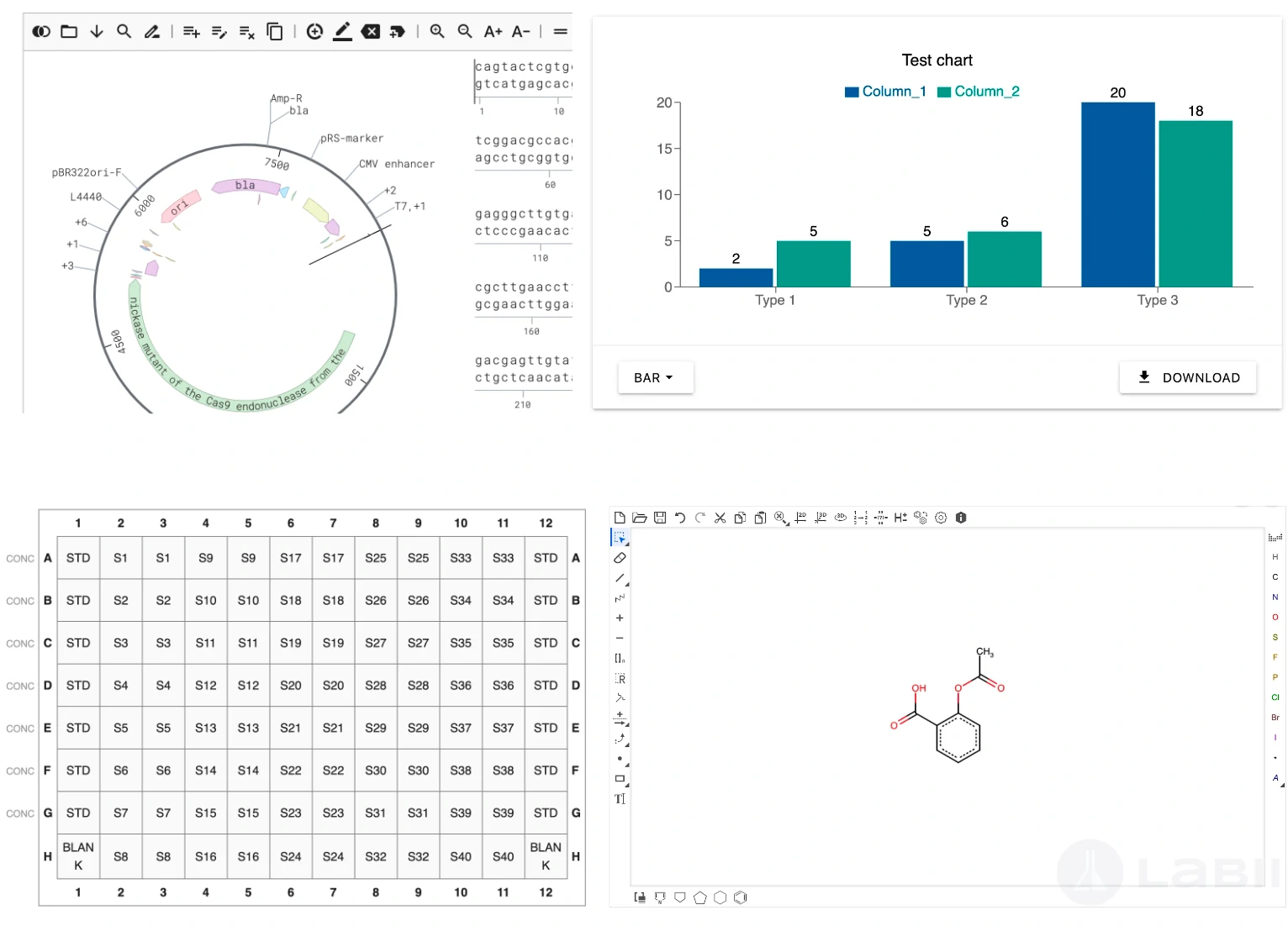
Labii uses widgets to power how researchers view and edit every column, record section, and dashboard. Each widget provides a focused interface for a specific data type or task, while the platform's fully customizable architecture lets organizations choose, configure, and extend the experience around their own work. Labii is currently the only vendor to fully support this widget-based approach across structured data, unstructured content, and high-level dashboards.
Widgets for Every Research Domain
Labii widgets support work across the entire research organization, from everyday office tasks to biotechnology, chemistry, data analysis, and specialized scientific workflows. Teams can use purpose-built tools for each type of data while keeping everything inside one connected platform. This breadth lets researchers work with interfaces suited to their discipline without switching systems.
Plug In the Right Tool at the Right Moment
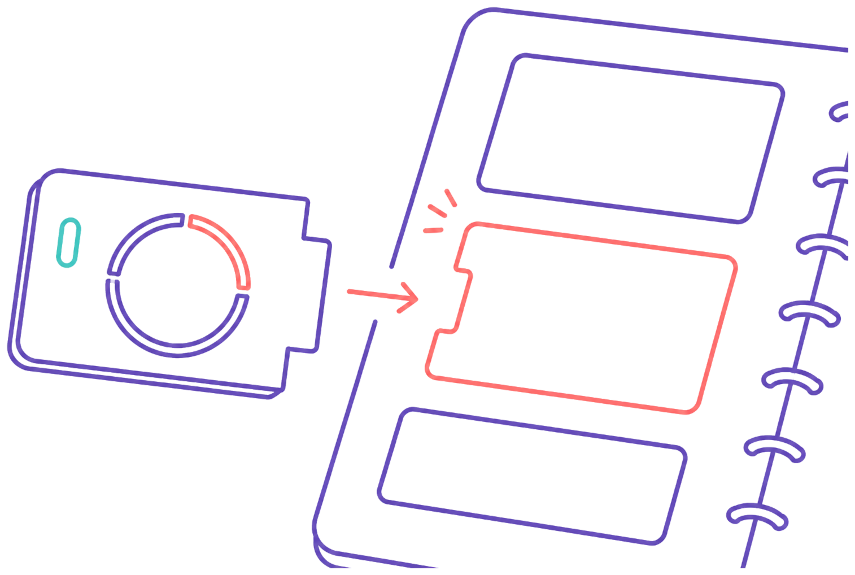
Widgets are ready to use when a workflow calls for them and stay out of the way when they do not. Add the Plasmid Editor widget to a plasmid design experiment, for example, and researchers can design and review the construct directly inside the record. This plug-and-play model adds specialized capability exactly where the work happens.
Need Another Capability? Add a Widget
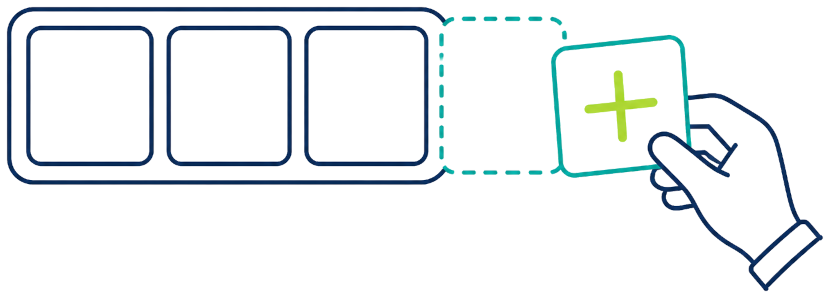
Your research should not be limited to the functions already listed in a software catalog. When a needed capability is missing, Labii can extend the platform with a new widget designed for that task. The widget architecture makes focused functionality easier to add without rebuilding the surrounding application.
Column Widgets for Structured Data
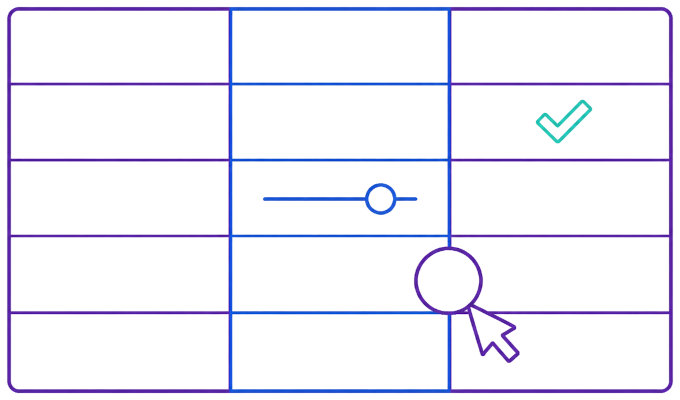
Column widgets define how structured values are displayed, entered, validated, and edited in Labii tables. Choose the right experience for text, numbers, dates, relationships, scientific identifiers, and specialized research data instead of settling for generic fields. Each column remains consistent and reusable across records while supporting the interaction its data requires.
Section Widgets for Unstructured Research Content
Section widgets give researchers purpose-built ways to view and edit the unstructured content inside a record. Work with rich notes, files, sequences, chemical structures, experimental procedures, and other document-style data using tools designed for each format. Records stay flexible while every content type receives an appropriate editing experience.
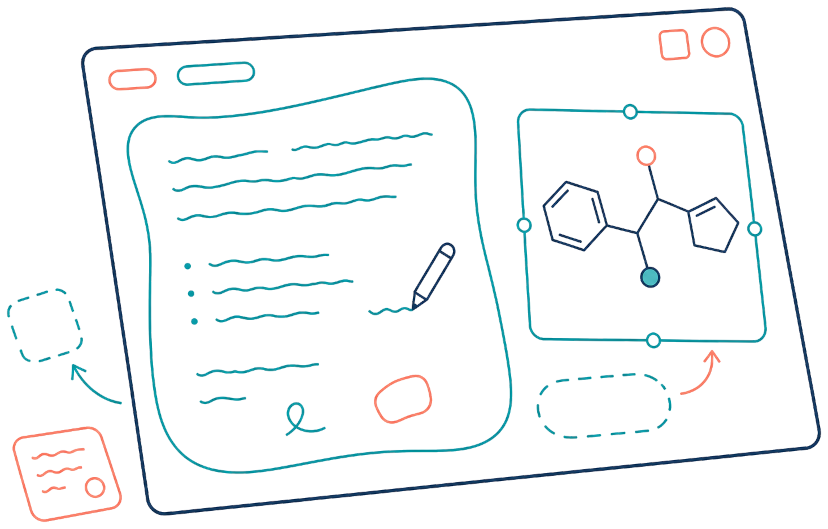
Dashboard Widgets Turn Data Into an Overview

Dashboard widgets bring high-level information from across Labii into a clear, focused view. Teams can monitor progress, workload, inventory, recent activity, trends, and other priorities without opening individual records. Configure each dashboard around a role or objective so the most important information is visible at a glance.
AI Assistance Built Into Every Widget
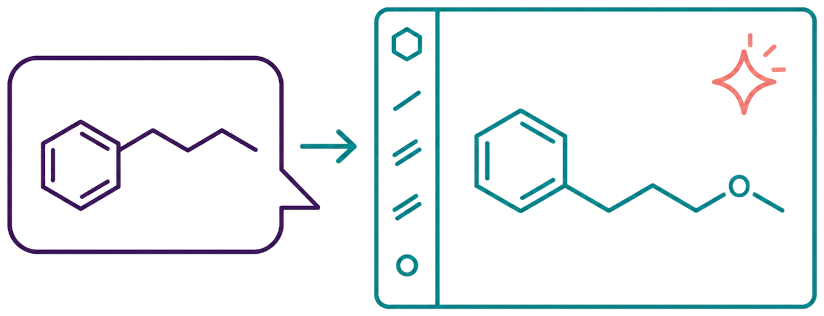
Every Labii widget can provide AI support that simplifies the task it was built to perform. Researchers can describe the result they need in natural language and let the widget assist with the specialized work—for example, generating a chemical structure inside a chemical drawing widget. AI appears in context, reducing steps without separating researchers from their data.
Private Widgets Built for Your Organization
Some workflows depend on proprietary methods, internal terminology, or capabilities that should remain exclusive to one organization. The Labii team can help design and build private widgets available only within your environment. Your team gains a tailored research tool that fits its process while remaining integrated with the rest of Labii.
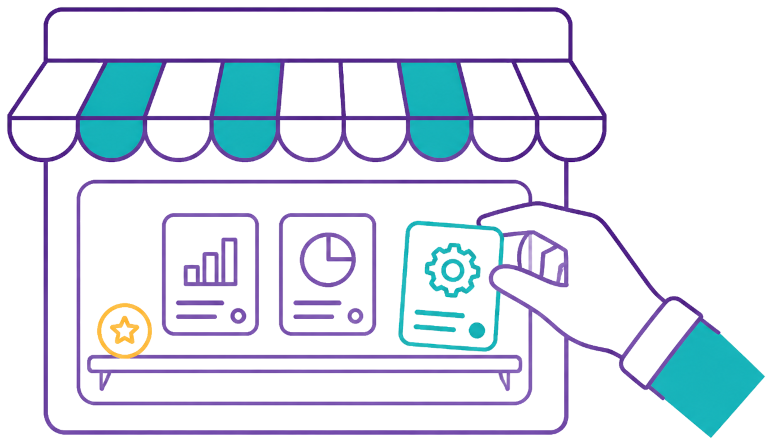
Build, Publish, and Earn in the Widget Store
The upcoming Labii Widget Store will open widget development to the broader community. Developers will be able to create useful scientific and operational widgets, publish them for other organizations, and earn income from their work. Researchers gain access to a growing ecosystem of specialized tools while creators bring valuable ideas to laboratories worldwide.
Ready to Build a Better Way to Run Your Lab?
Turn scattered data and manual workflows into one configurable scientific platform. Start free to build your first Labii application, or request a personalized demo to see how your team can work faster, stay compliant, and scale without replacing the processes that already work.
Refer a company to Labii and earn free months for each seat they sign.