- Home
- Pricing
- About Us
- Partners
- Jobs
- Contact Us
- datasetAll in One Data Platform
- tuneFully Customizable
- widgetsAdaptable Widgets
- account_treeGuided Workflows
- psychologyAI Research Assistant
- cableInstrument & Software Integration
- securityEnterprise-Grade Security
- policyRegulatory Compliance
- webIntuitive User Interface
- support_agentExpert Support for Your Lab
- dnsData Centers
- qr_code_2Barcode/QR Code System
- articleElectronic Lab Notebook (ELN)
- inventory_2Inventory Management
- scienceLaboratory Information Management Systems (LIMS)
- calculateFormulation Management
- yardAgricultural Research Manager (ARM)
- health_and_safetyQuality Management System (QMS)
- businessBusiness Development
- todayProject Management
- attach_moneyFinancial Management
- descriptionReference Management
- differenceOther Applications
- biotechBiotech and Pharmaceutical Companies
- scienceContract Research Organizations (CROs)
- stethoscopeClinical Products/Services for Physician Office
- agricultureAgricultural Research Companies
- cloudBuild Any SaaS Application in Minutes with AI
- Login
- Free signup
- Watch demo videos
- Referral Program
- Subscribe to our newsletter
- Documentation
- Blogs
- Resources
- Screenshots
- Downloads
- Terms of Service
- Privacy Policy
Intuitive User Interface
Navigate complex lab work with less training and fewer clicks
Overview
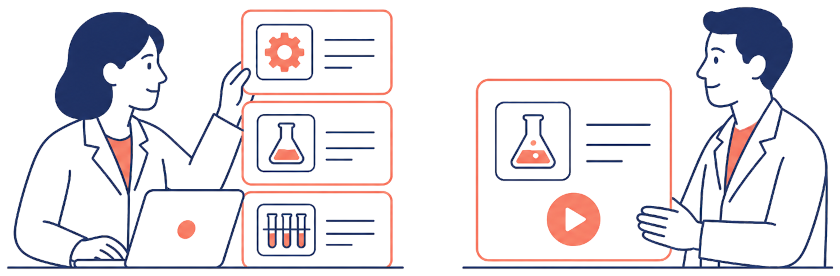
Laboratory software must support detailed data structures, specialized protocols, and rigorous operating requirements without making every user configure that complexity. Labii resolves this tension by giving administrators powerful tools to prepare advanced templates and guided workflows. Researchers receive ready-to-use experiences that help them complete sophisticated work accurately with less training and fewer decisions.
Complex Configuration for Admins, Simple Execution for Users
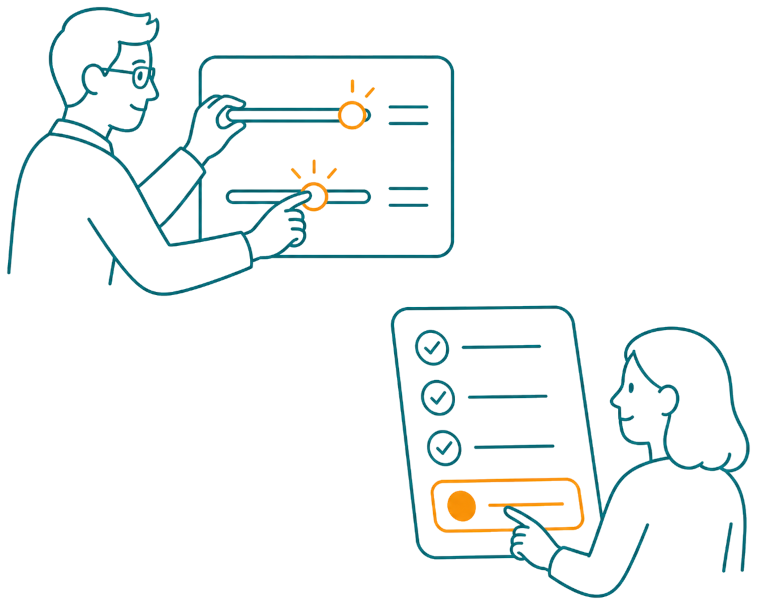
Administrators can configure advanced data structures, permissions, templates, and workflows for the laboratory. End users do not need to understand that setup; they open a prepared experience and follow the instructions relevant to their work. This separation keeps the system flexible for the organization and approachable for the people using it every day.
Turn Any Record into a Reusable Template
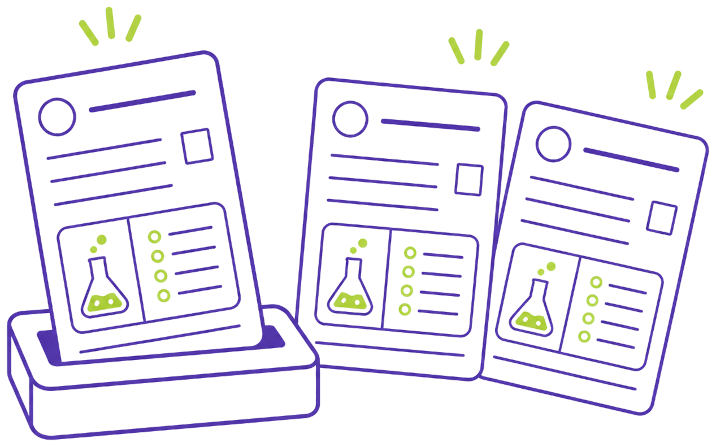
Any Labii record can become a template for future work. Teams can start new records from proven content, structure, and default values instead of rebuilding the same setup each time. Templates reduce repetitive entry, promote consistency, and still leave room to update the details that change.
Guided Workflows Keep Every Action in One Place
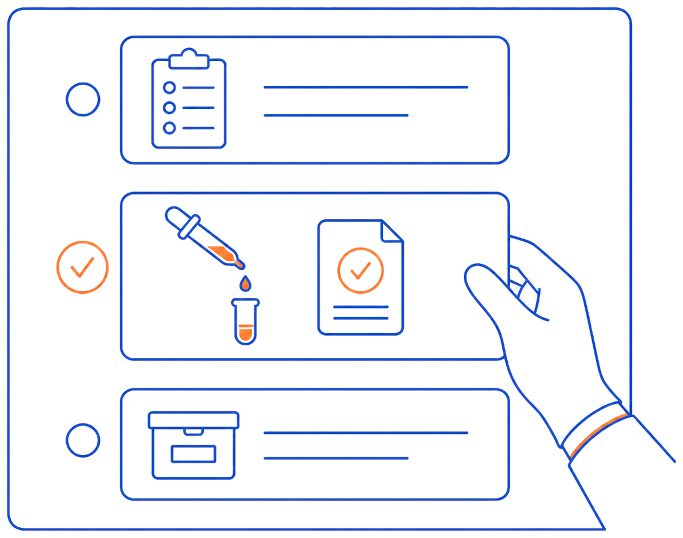
Guided workflows show users what to do, when to do it, and what information to capture at each stage. Every step can bring together the instructions, record sections, and actions needed to complete the work. Users remain on one screen instead of navigating between applications and searching for the next task.
Step-by-Step Guidance at the Bench
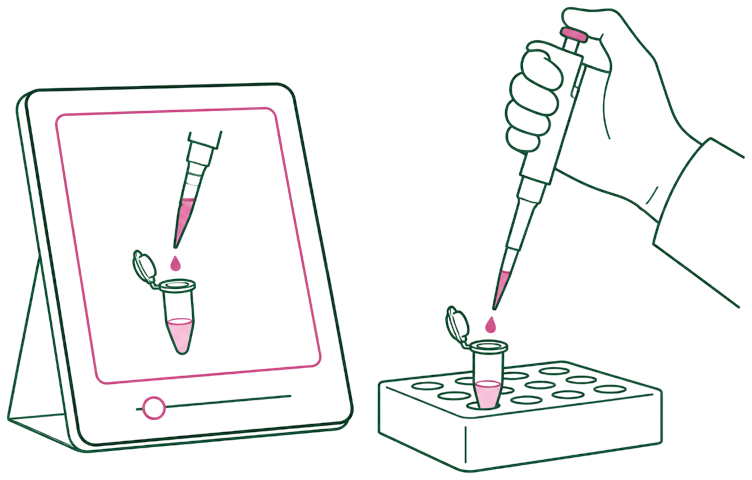
The Guided Step widget presents experiment instructions one step at a time while researchers work at the bench. Each step keeps the current instruction and required input in focus, making complex protocols easier to follow without losing position. Researchers can progress through the experiment and document results in the same guided experience.
One Familiar Experience Across Every Application
Labii uses consistent form, list, and detail views across applications, so familiar controls and layouts follow users wherever they work. Moving from samples to inventory, experiments, or another application does not mean learning a new interface. Teams can adopt more capabilities while preserving the habits they already know.
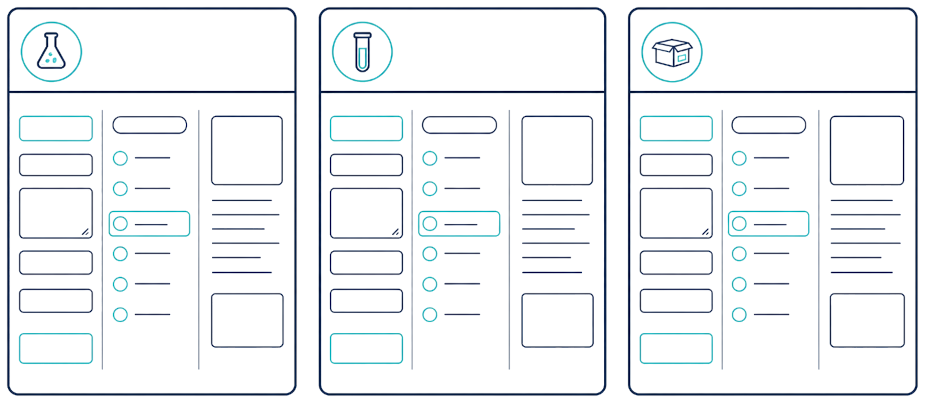
Let AI Handle Routine Data Entry
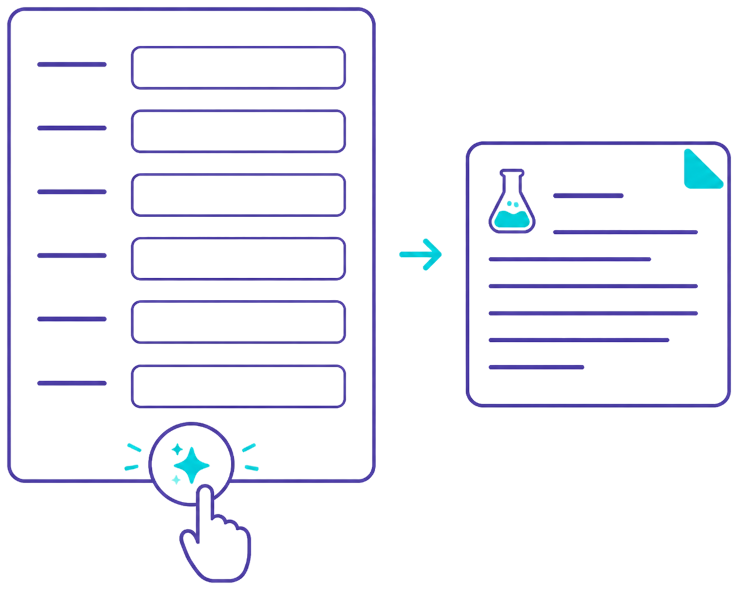
Labii AI reduces the effort required to turn scientific context into structured records. With one click, users can ask AI to populate form fields; with one prompt, they can draft experiment notes and other record content. Researchers stay in control by reviewing and refining the generated information before saving it.
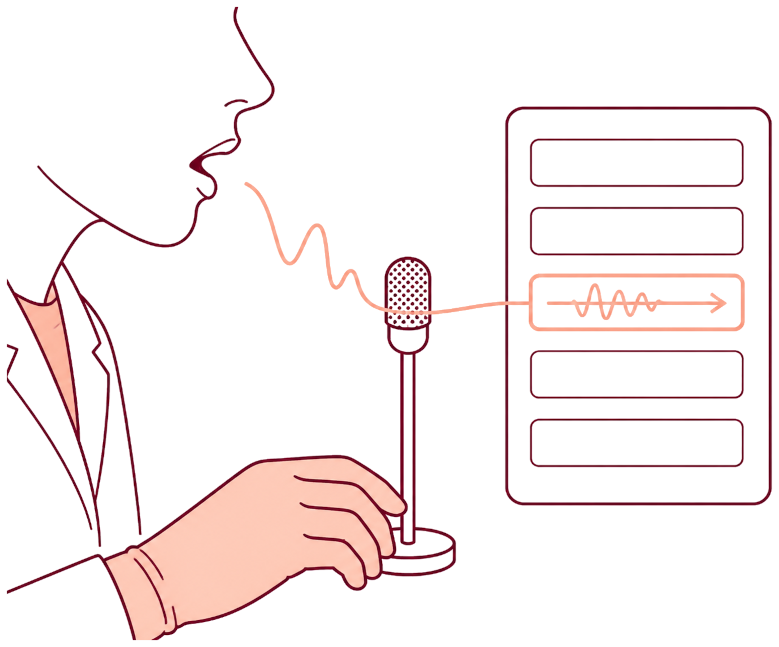
Capture Data with Your Voice
Voice input gives researchers a faster way to enter observations when typing is inconvenient. Users can dictate notes and field values while staying focused on the experiment in front of them. This hands-free option helps capture information at the moment it is produced instead of relying on later transcription.
Help Is Always on the Page
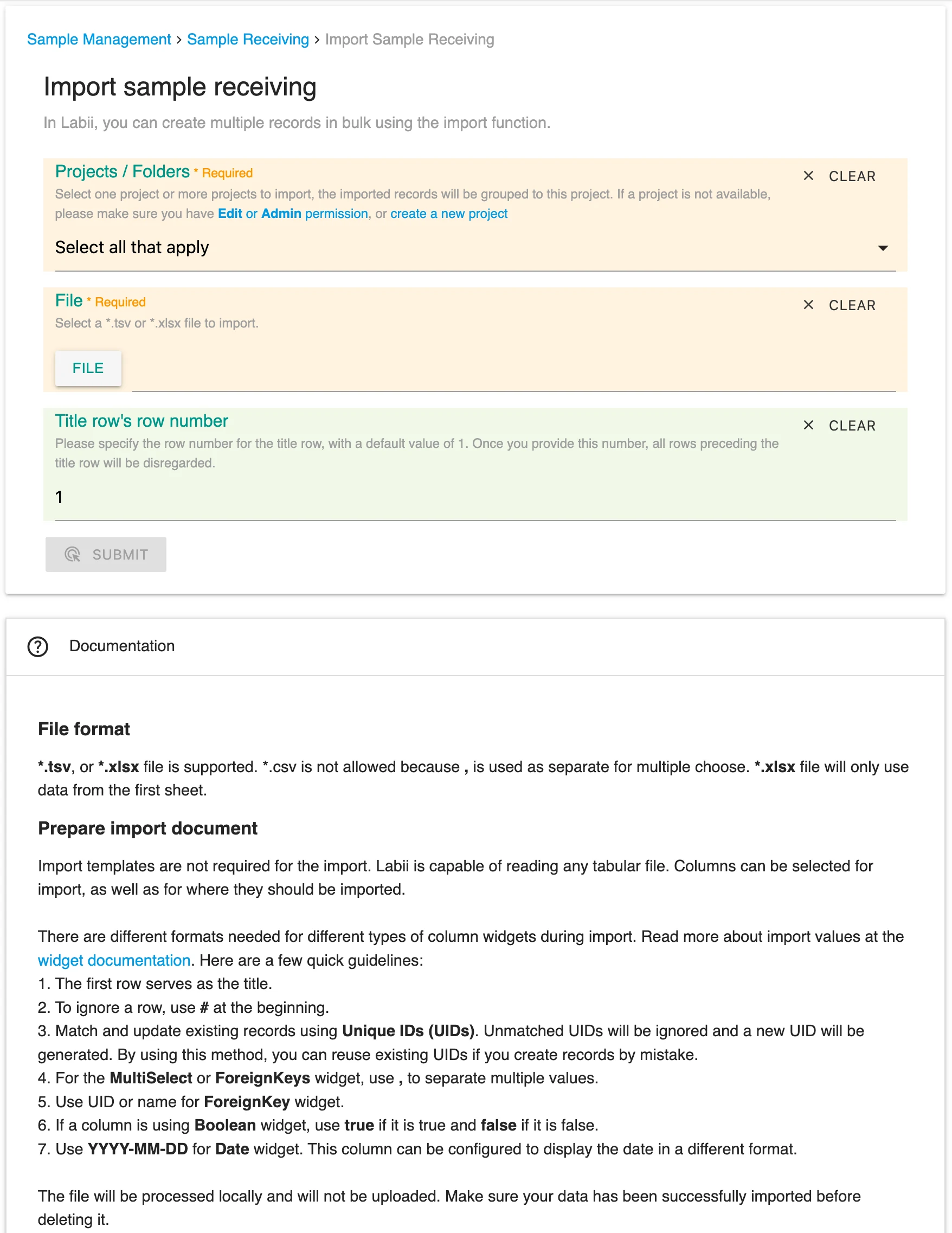
In-page documentation explains the purpose and key actions of the screen a user is viewing. Contextual guidance answers common questions at the point of work, while direct links provide access to deeper documentation when needed. Users can keep their place and continue working instead of searching through a separate help center.
A Responsive Interface for Every Device
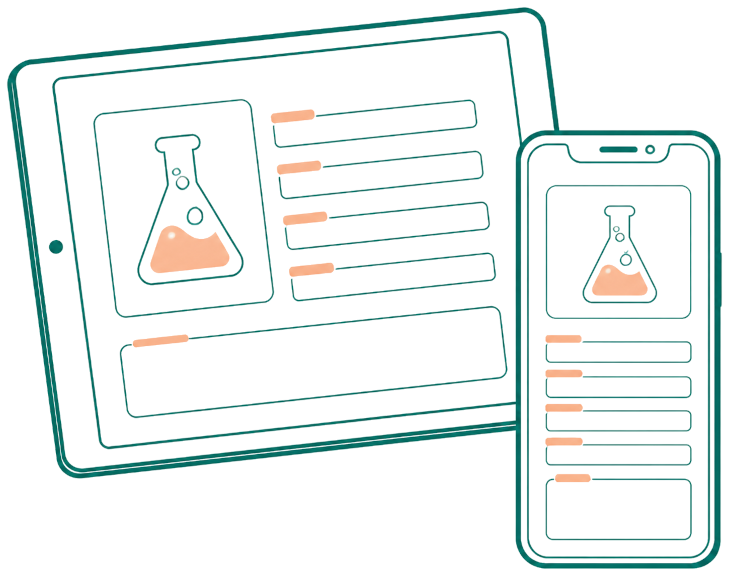
Labii adapts its interface for phones and tablets, keeping records and actions practical on smaller screens. Researchers can review information, capture updates, and continue work from the device available at the bench or on the move. The responsive layout preserves a consistent experience without requiring a separate mobile application.
Your Lab, Available Anywhere

As a cloud-based platform, Labii makes authorized laboratory information available wherever work happens. Teams can access the same current records from the office, the bench, another facility, or while traveling. There is no local software to maintain on each device, helping users stay connected at any time.
Ready to Build a Better Way to Run Your Lab?
Turn scattered data and manual workflows into one configurable scientific platform. Start free to build your first Labii application, or request a personalized demo to see how your team can work faster, stay compliant, and scale without replacing the processes that already work.
Start free trialWatch demo videos
Refer a company to Labii and earn free months for each seat they sign.