- Home
- Pricing
- About Us
- Partners
- Jobs
- Contact Us
- datasetAll in One Data Platform
- tuneFully Customizable
- widgetsAdaptable Widgets
- account_treeGuided Workflows
- psychologyAI Research Assistant
- cableInstrument & Software Integration
- securityEnterprise-Grade Security
- policyRegulatory Compliance
- webIntuitive User Interface
- support_agentExpert Support for Your Lab
- dnsData Centers
- qr_code_2Barcode/QR Code System
- articleElectronic Lab Notebook (ELN)
- inventory_2Inventory Management
- scienceLaboratory Information Management Systems (LIMS)
- calculateFormulation Management
- yardAgricultural Research Manager (ARM)
- health_and_safetyQuality Management System (QMS)
- businessBusiness Development
- todayProject Management
- attach_moneyFinancial Management
- descriptionReference Management
- differenceOther Applications
- biotechBiotech and Pharmaceutical Companies
- scienceContract Research Organizations (CROs)
- stethoscopeClinical Products/Services for Physician Office
- agricultureAgricultural Research Companies
- cloudBuild Any SaaS Application in Minutes with AI
- Login
- Free signup
- Watch demo videos
- Referral Program
- Subscribe to our newsletter
- Documentation
- Blogs
- Resources
- Screenshots
- Downloads
- Terms of Service
- Privacy Policy
Regulatory Compliance
Keep laboratory records traceable, controlled, and ready for review
Overview
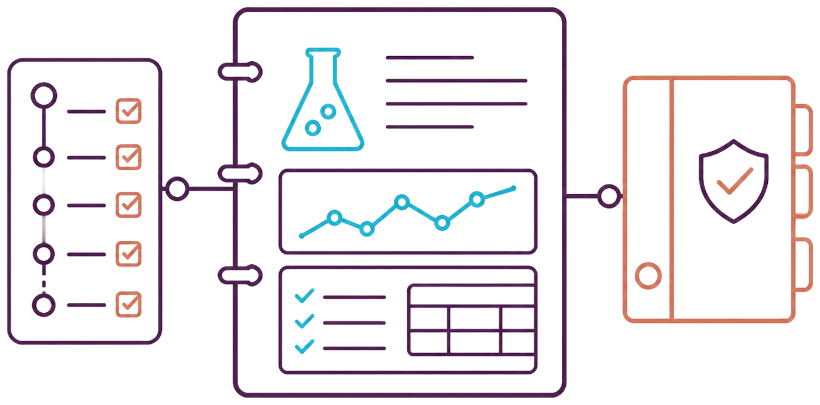
Labii brings the controls, evidence, and operating documents needed for regulated laboratory work into one connected environment. Trace every meaningful change, retain records safely, approve work with electronic signatures, and support validation with qualification, software lifecycle, continuity, recovery, and security documentation. These capabilities help organizations configure workflows around their own quality system and regulatory obligations.
Preserve Every Change with Version History
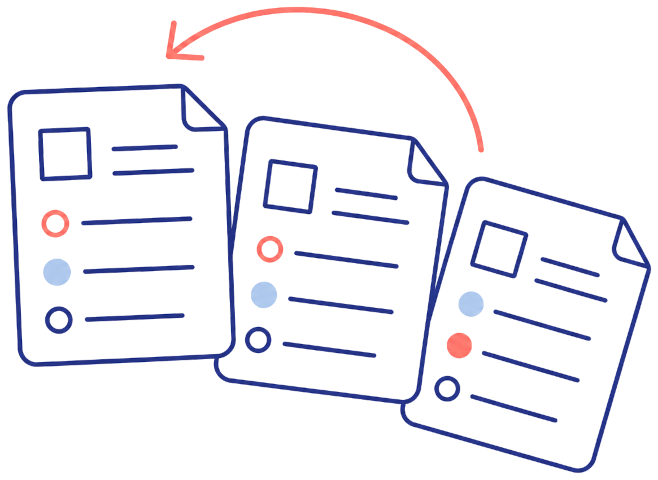
Labii creates a new version whenever a record is changed, preserving a chronological history instead of overwriting prior work. Authorized users can preview earlier versions, compare the record's progression, and restore a previous version when correction or recovery is required.
See a Complete, Time-Stamped Audit Trail
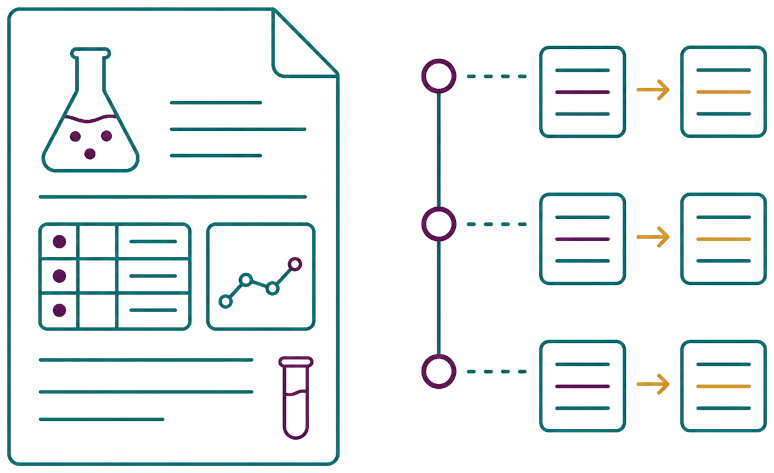
Activity history records who made a change, when it occurred, and what changed. Before-and-after values make the sequence of edits easier to investigate, review, and explain during quality reviews or audits.
Know Who Viewed Sensitive Records
Visitor history provides visibility into who opened a record and when. This additional layer of accountability is especially useful for confidential experiments, controlled documents, personally identifiable information, and other sensitive laboratory data.

Identify Every Record with a Unique ID

Labii automatically assigns a unique identifier to each record. Stable IDs reduce ambiguity, support reliable references across workflows and reports, and help teams retrieve the correct evidence during reviews and investigations.
Protect Records with Archive-Only Retention
Instead of permanently deleting laboratory records, users archive data that is no longer active. Archive-only retention helps protect against accidental loss while keeping historical records available to authorized users for review, retrieval, and retention-policy needs.

Approve Work with Electronic Signatures
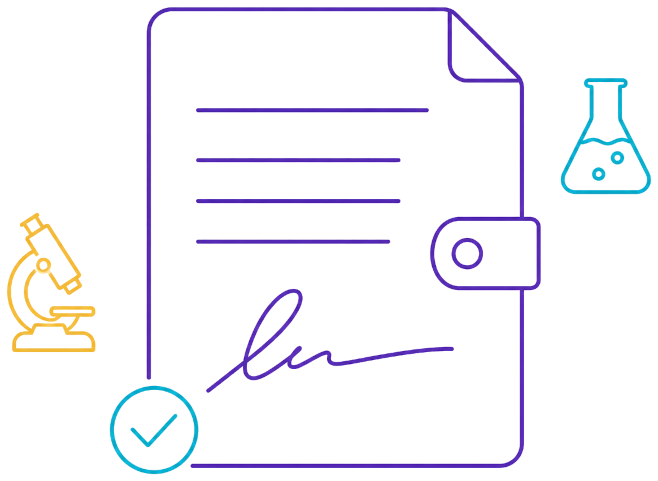
Authorized users can apply an electronic signature to a record with signer and time information captured as part of the approval. Once signed, the document is locked against ordinary editing so the approved state remains stable and traceable.
Support FDA 21 CFR Part 11 Requirements
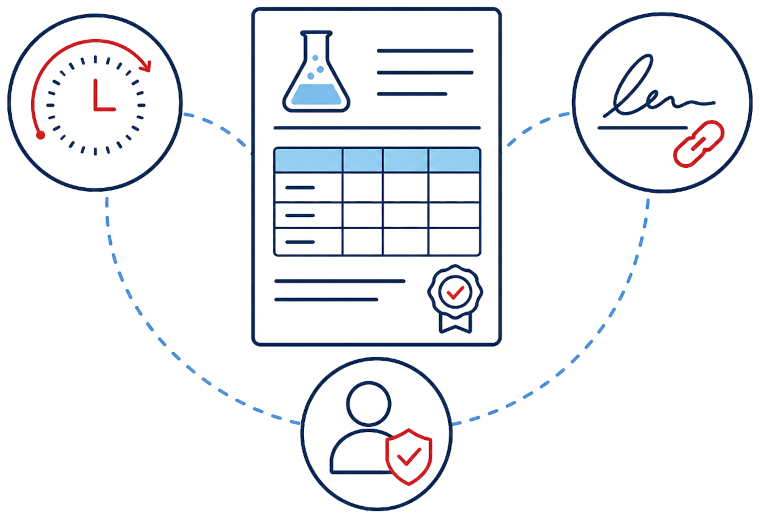
Labii provides configurable controls that can support an organization's FDA 21 CFR Part 11 program, including authorized access, time-stamped audit trails, record protection, retrievable copies, electronic signatures, and signature-to-record linkage. Compliance depends on the organization's validated configuration, procedures, training, and intended use.
Support EU GMP Annex 11 Expectations
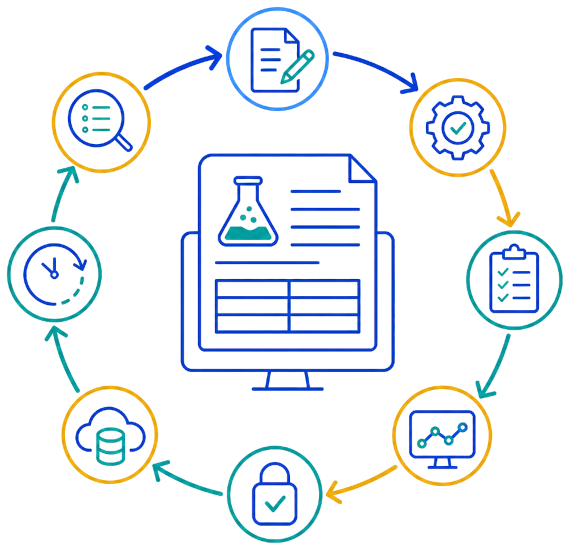
Labii capabilities can support an organization's approach to EU GMP Annex 11 for computerized systems, including lifecycle controls, data integrity, audit trails, access management, electronic signatures, backup, archiving, and business continuity. The regulated organization remains responsible for risk assessment, validation, procedures, and oversight within its GMP environment.
Set Clear Boundaries with an Acceptable Use Policy
Labii's Acceptable Use Policy defines permitted and prohibited use of the service. It gives organizations and users a shared baseline for responsible activity, helping protect the platform, customer data, and other users from misuse.

Govern Protection with an Information Security Policy

Labii's Information Security Policy establishes the principles used to manage confidentiality, integrity, and availability. It defines responsibilities and a consistent framework for access control, risk management, incident handling, personnel practices, and protection of information assets.
Review Controls with a Security Assessment Report
A Security Assessment Report summarizes the evaluated security posture, assessment scope, observations, risks, and remediation status. It gives customers and review teams structured evidence for vendor due diligence, internal risk reviews, and security governance.

Maintain Critical Operations with a Business Continuity Plan

Labii's Business Continuity Plan defines how essential services and responsibilities are maintained during a disruption. Documented roles, communication paths, alternative arrangements, and testing help the organization respond in a coordinated way and reduce operational interruption.
Restore Services with a Disaster Recovery Plan
Labii's Disaster Recovery Plan documents the technical steps, responsibilities, backups, and recovery priorities used after a major service event. Defined recovery procedures and exercises help teams restore systems and data methodically while maintaining clear decision and communication paths.
Connect Responsibilities through a Quality Manual

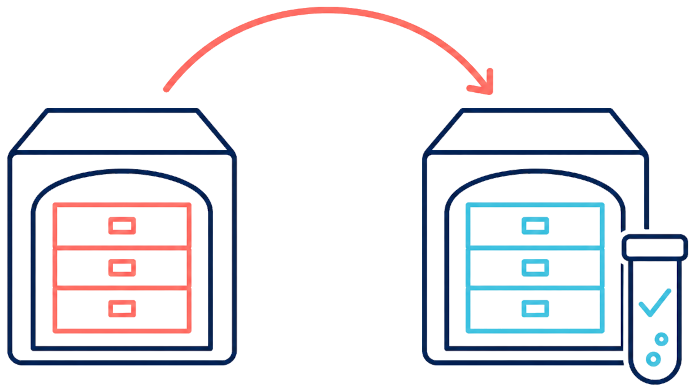
Labii's Quality Manual describes the quality-management framework behind service delivery. It connects policies, responsibilities, document control, change management, corrective actions, training, reviews, and continual improvement so customers can understand how quality practices fit together.
Installation and Operational Qualification (IQ/OQ)
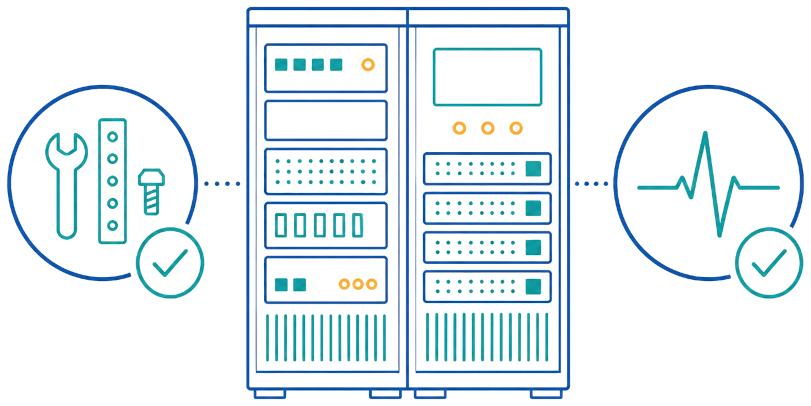
Installation Qualification verifies that a Labii deployment and its supporting services are installed and configured as specified. Operational Qualification evaluates key functions and configurations to confirm that the deployed system operates as intended across defined scenarios. Together, IQ and OQ provide structured evidence that supports an organization's validation and quality processes.
Apply a Controlled Software Development Life Cycle
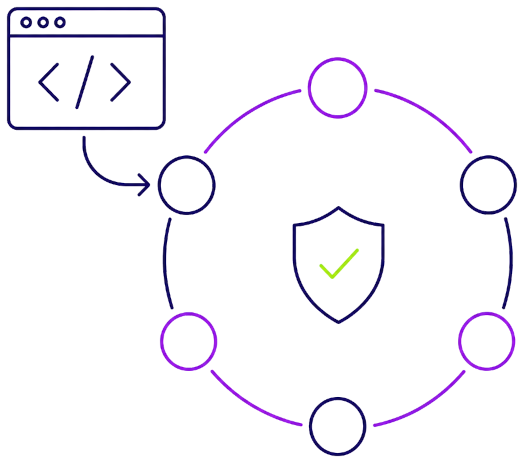
Labii uses a documented software development life cycle across planning, design, implementation, review, testing, release, and maintenance. Requirements, change control, peer review, dependency management, automated tests, and release checks provide traceable evidence for a repeatable quality process.
Ready to Build a Better Way to Run Your Lab?
Turn scattered data and manual workflows into one configurable scientific platform. Start free to build your first Labii application, or request a personalized demo to see how your team can work faster, stay compliant, and scale without replacing the processes that already work.
Refer a company to Labii and earn free months for each seat they sign.